
Preservation statutes in Wolfsburg
What is a conservation statute and why is it important?
Die Erhaltungssatzung nach Paragraf 172 Baugesetzbuch (BauGB) ist ein Instrument des besonderen Städtebaurechts. Sie dient dem Schutz und der Erhaltung von Gebieten, die für das Orts- oder Stadtbild einer Gemeinde von besonderer Bedeutung sind.
Why is this important?
Towns and districts live from their unmistakable character, which is characterized by historic buildings, established structures and social diversity. The preservation statutes ensure that these values are not lost through uncontrolled structural changes. It creates a framework in which necessary modernization and development can be reconciled with the protection of the townscape and townscape.
What does this mean for owners and those looking to build?
Pending Translation: Im Geltungsbereich einer Erhaltungssatzung wird zwischen genehmigungsfreien und genehmigungspflichtigen Vorhaben unterschieden. Genehmigungsfrei sind unter anderem Renovierungsarbeiten und Maßnahmen der Instandsetzung ohne bauliche Veränderungen. Genehmigungspflichtig hingegen sind Vorhaben mit baulichen und gestalterischen Veränderungen.
Die Genehmigung wird im Einzelfall auf Grundlage der Erhaltungsziele geprüft. Genehmigungspflichtig heißt jedoch nicht unzulässig. Es wird sichergestellt, dass sich neue Maßnahmen harmonisch in das bestehende Stadtbild einfügen.
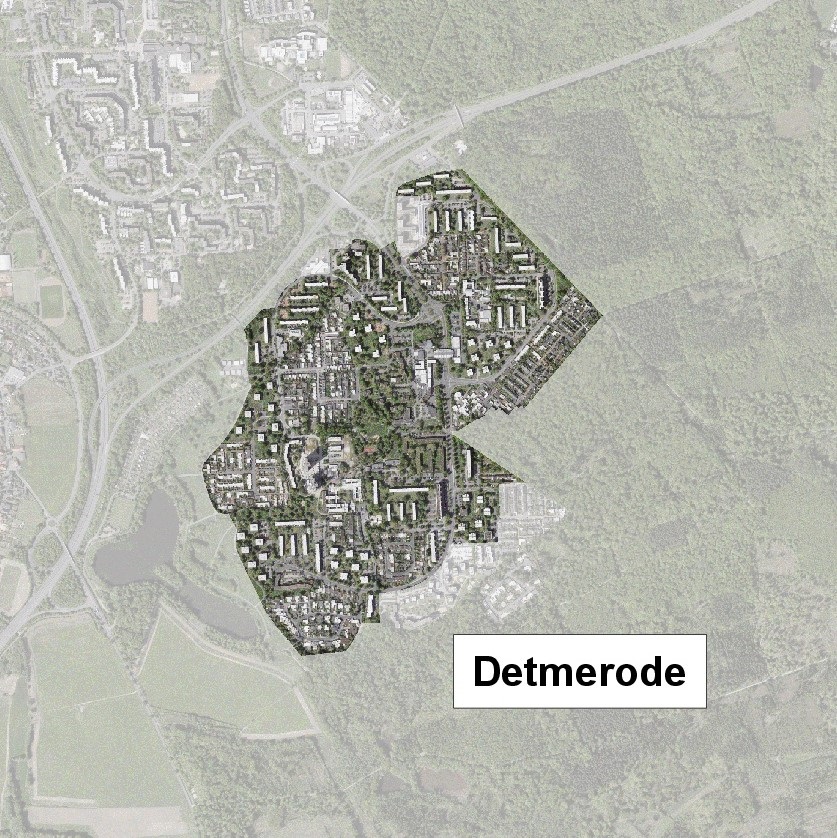
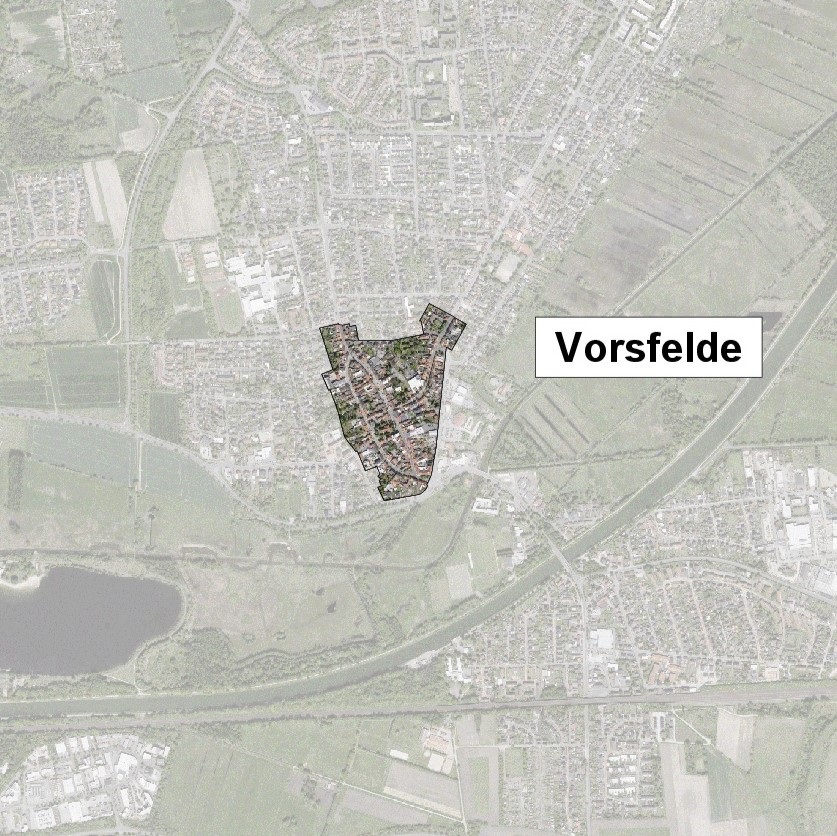
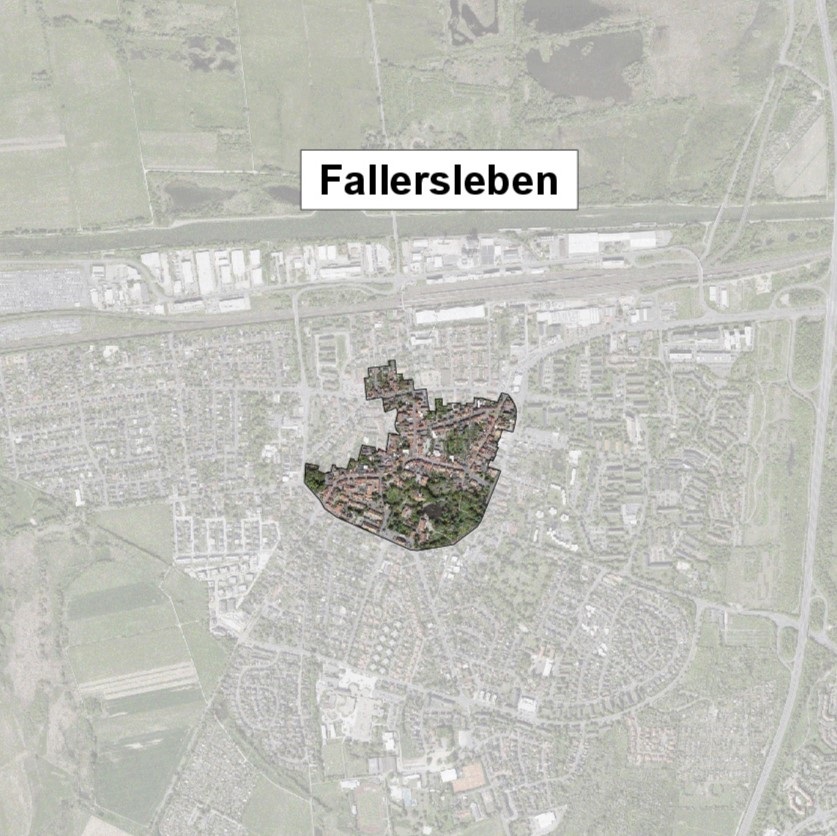
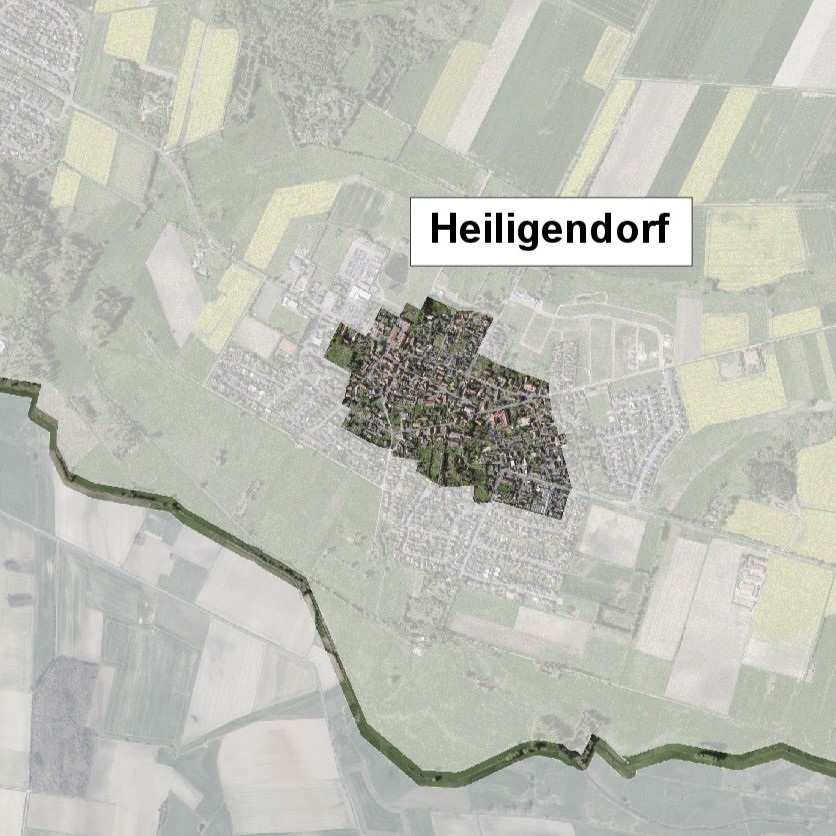
All conservation statutes in detail:
-
Permit application
For all The same application for approval applies to all conservation areas.
What is exempt from approval and what is subject to approval?
Renovation work and maintenance measures without structural alterationsdo not require approval . For example- for example, the renewal of the façade paint in the same color,
- the repair of roofs while retaining the materiality and design,
- Renovation including replacement of façade material while retaining the materiality and design.
Approval is required for projects involving structural or design changes, such as
- for example, demolition, new construction, extensions,
- energy-efficient renovation of exterior walls (e.g. change in wall thickness),
- Installation of PV systems (subject to approval, but unobjectionable).
However, subject to approval does not mean inadmissible!
- Permit application (analogous to filling out and printing)
- Pending Translation: Datenschutzhinweise zum Genehmigungsantrag
This application for approval is a provisional form, as it takes longer to create a new one. The same form applies to all maintenance statutes. As soon as the final form is ready, it will be exchanged. We ask for your understanding.
-
FAQ - Frequently asked questions
Pending Translation:
Was ist das zentrale Ziel der Erhaltungssatzung? Worum geht es im Kern?
Eine Erhaltungssatzung ist dafür da, die (noch) vorhandenen städtebaulichen Qualitäten in einem Gebiet mit besonderen architektonischen, städtebaulichen und stadtgestalterischen Eigenarten zu erhalten. Dies können etwa historische Fachwerkstrukturen sein wie in Fallersleben und Vorsfelde oder das bedeutsame Zeugnis spätmodernen Städtebaus in Detmerode.
Ab wann gilt die Erhaltungssatzung?
Nach erfolgtem Satzungsbeschluss durch den Rat der Stadt Wolfsburg wird die Erhaltungssatzung durch öffentliche Bekanntmachung im Amtsblatt rechtsverbindlich.
An wen kann ich mich wenden, wenn ich Fragen habe?
Für die Umsetzung der Erhaltungssatzung ist die Abteilung Sanierung und Stadtbildgestaltung des Geschäftsbereichs Stadtplanung und Bauberatung zuständig. Ansprechpartner*innen sind Kathrin Göttler (Telefon: 05361-28 2820, kathrin.goettler@stadt.wolfsburg.de), Pierre Rey (Telefon: 05361-28 2781, pierre.rey@stadt.wolfsburg.de) sowie an Anja Meyer (Telefon: 05361-28 2605, anja.meyer@stadt.wolfsburg.de).
Muss ich erst einen Bauantrag mit meinem Vorhaben stellen oder kann ich mir schon im Vorfeld eine Beratung zu meinen Veränderungen einholen?
Natürlich ist es möglich und auch empfehlenswert, sich vor einem Antrag beraten zu lassen. Hierfür ist die Abteilung Sanierung und Stadtbildgestaltung des Geschäftsbereichs Stadtplanung und Bauberatung zuständig. Ansprechpartner*innen sind Pierre Rey (Telefon: 05361-28 2781, pierre.rey@stadt.wolfsburg.de) und Kathrin Göttler (Telefon: 05361-28 2820, kathrin.goettler@stadt.wolfsburg.de).
Was ist der Unterschied zwischen genehmigungsfreien und genehmigungspflichtigen Vorhaben?
genehmigungsfrei: Renovierungsarbeiten und Maßnahmen der Instandsetzung ohne bauliche Veränderung
- zum Beispiel die Erneuerung des Fassadenanstrichs in gleicher Farbigkeit,
- die Instandsetzung von Dächern unter Beibehaltung der Materialität und Gestaltung,
- Renovierung inkl. Austausch von Fassadenmaterial unter Beibehaltung der Materialität und Gestaltung.
genehmigungspflichtig: Vorhaben mit baulicher oder gestalterischer Veränderung
- zum Beispiel Abriss, Neubau, Anbauten,
- energetische Sanierung von Außenwänden (z.B. Veränderung der Wanddicke),
- Errichtung von PV-Anlagen (genehmigungspflichtig, aber unbedenklich).
Wichtig ist aber: genehmigungspflichtig bedeutet nicht unzulässig!
Welche Veränderungen sind erlaubt und welche nicht?
Es kann nicht pauschal gesagt werden, was erlaubt ist und was nicht. Das gewünschte Vorhaben hängt immer vom Einzelfall ab. Grundsätzlich lässt sich aber sagen, dass für Quartiere, die sehr homogen und noch ursprünglich sind, höhere Ansprüche gelten als für Quartiere, die bereits stark verändert wurden.
Ein Beispiel: Wenn Veränderungen an der Fassade vorgenommen werden sollen, dann ist das zwar grundsätzlich möglich, aber nur so weit, dass das Ortsbild nicht verändert wird. Wenn beispielsweise roter Klinker ortsbildprägend und in der Nachbarschaft überwiegend vorhanden ist, wird eine neue weiße Putzfassade nicht möglich sein.
Es ist sinnvoll, mit den Änderungsvorhaben direkt Kontakt mit den Kolleg*innen der Stadtbildpflege aufzunehmen.Welche Kriterien sind für Veränderungen ausschlaggebend?
Die Kriterien sind von Erhaltungssatzung zu Erhaltungssatzung unterschiedlich und kann nicht pauschal beantwortet werden. Die Kriterien sind den jeweiligen prägenden Gestaltmerkmalen zu entnehmen. Bei Fragen stehen Ihnen die Kollegen der Stadtverwaltung zur Seite.Darf ich Veränderungen an meiner Fassade und meinen Fenstern vornehmen?
Veränderungen sind immer vom Einzelfall abhängig. Ziel der Erhaltungssatzung ist es, die ortsbildprägende Bebauung des Stadtteils zu erhalten. Fassaden und Fenster prägen das Ortsbild zum Straßenraum sehr wesentlich. Somit sind Veränderungen davon abhängig, ob in der Umgebung ein einheitliches Erscheinungsbild vorhanden ist und das Vorhaben dem widerspricht.
Die Renovierung von Fassaden und Fenstern bei gleicher Materialität (zum Beispiel Holz zu Holz) und Gestaltung (zum Beispiel Aufteilung der Fenster) ist erhaltungsrechtlich unbedenklich und genehmigungsfrei. Bei Zweifeln zur Genehmigungsfreiheit von Vorhaben melden Sie sich gerne kurz bei den Kolleg*innen der Stadtbildpflege (siehe Kontaktdaten).Es gibt ja gesetzliche Vorgaben zur energetischen Sanierung von Gebäuden, die eingehalten werden müssen (zum Beispiel das Gebäudeenergiegesetz [GEG]). Was gilt denn dann für mich? Das GEG oder die Erhaltungssatzung?
Sofern die energetische Sanierung das Erscheinungsbild beeinträchtigen würde, kann von der energetischen Gebäudesanierung abgewichen werden. Dies geht aus Paragraf 105 GEG hervor. Das heißt, hier würde die Erhaltungssatzung stärker gewichtet werden, wenn es sich um eine erhaltenswerte Bausubstanz handelt.
Grundsätzlich sind bauliche Veränderungen aber immer im Einzelfall zu betrachten. Leider kann nicht vorab pauschal festgelegt werden, was erlaubt ist und was nicht. Es ist sinnvoll, mit den Änderungsvorhaben direkt Kontakt mit der Fachverwaltung aufzunehmen.Gibt es auch Vorgaben für Sanierungsmaßnahmen im Inneren des Gebäudes?
Bauliche Maßnahmen, die sich ausschließlich auf das Innere eines Gebäudes beziehen, werden nicht von den Regelungen der Erhaltungssatzung erfasst. Grund dafür ist, dass diese Maßnahmen keine sogenannte „bodenrechtliche Relevanz“ haben und das ortsbildprägende Erscheinungsbild im Sinne der Erhaltungssatzung nicht beeinträchtigen.
Darf ich mir eine Photovoltaik-Anlage auf mein Dach bauen?
Die Errichtung von PV- Anlagen ist genehmigungspflichtig, aber unbedenklich. Es sollte darauf geachtet werden, bauliche Verunstaltungen zu vermeiden. Dies gilt auch bereits durch Paragraf 10 der Niedersächsischen Bauordnung (Verunstaltungsverbot).
Wie sieht es mit Dachbegrünung aus, ist das zulässig?
Die Herstellung einer Dachbegrünung ist eine bauliche Veränderung und daher genehmigungspflichtig. Sie stellt jedoch in aller Regel keine Beeinträchtigung des äußeren Erscheinungsbilds erhaltenswerter Gebäude dar.
Leider kann aus rechtlichen Gründen nicht vorab pauschal festgelegt werden, was erlaubt ist und was nicht. Es ist sinnvoll, mit den Änderungsvorhaben direkt Kontakt mit den Kolleg*innen der Stadtbildpflege aufzunehmen.Darf ich eine Flachdachsanierung durchführen, wenn sich der Aufbau meines Daches in seiner Höhe verändert?
Dachsanierungen, die zu einer Veränderung der Aufbauhöhe führen, sind genehmigungspflichtig. Bei Flachdachsanierungen ist nach heutigem Stand der Technik häufig ein höherer Dachaufbau notwendig. Dies bewirkt eine Veränderbarkeit des Attikabandes in geringem Maße. Geringfügige Überhöhungen sind daher möglich, solange die Ausführung des Attikabandes nicht erkennbar aus dem Rahmen der näheren Umgebung.
Wichtig ist aber: genehmigungspflichtig bedeutet nicht unzulässig!
-
Contact persons
Pending Translation:
Bei Fragen rund um die Sanierung, Renovierung oder Instandsetzung Ihrer Gebäude stehen wir gerne zur Verfügung. Schreiben Sie uns eine E-Mail, rufen Sie uns an oder vereinbaren Sie einen Termin.
Stadt Wolfsburg
Stadtplanung und Bauberatung
Team Sanierung und Stadtgestaltung
Rathaus B | Porschestraße 49 | 38440 Wolfsburg
Telefon: 05361-28 2165
E-Mail: sekretariat.06@stadt.wolfsburg.de
Oder aber direkt an die Kollegen*innen der Sanierung und Stadtbildpflege:Kathrin Göttler
Zimmer B371
Telefon: 05361-28 2820
E-Mail: kathrin.goettler@stadt.wolfsburg.dePierre Rey
Zimmer B371
Telefon: 05361-28 2781
E-Mail: pierre.rey@stadt.wolfsburg.deAnja Meyer
Zimmer B314
Telefon: 05361-28 2605
E-Mail: anja.meyer@stadt.wolfsburg.de